Raleigh Japenese Tattoo Artists | Custom Tattoo Studio in Raleigh, NC
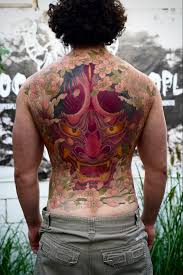
At Raleigh Tattoo, Japanese tattooing is one of our most sought-after styles, known for its rich symbolism, bold imagery, and timeless artistic traditions. Our artists create custom Japanese tattoos inspired by classic irezumi designs, incorporating iconic elements such as koi fish, dragons, samurai, geisha, tigers, phoenixes, Hannya masks, cherry blossoms, peonies, and waves. Each piece is thoughtfully designed to flow naturally with the body's contours, whether it's a sleeve, chest panel, back piece, leg sleeve, or full-body composition. Japanese tattoos are more than decorative artwork—they often represent perseverance, strength, courage, protection, transformation, and personal growth. At Raleigh Tattoo, we work closely with every client to develop a custom design that honors the traditions of Japanese tattoo art while reflecting their unique story and goals. By combining detailed linework, balanced composition, and expert shading, we create Japanese tattoos that are visually striking, meaningful, and built to stand the test of time.

What Japenese styles can we do?

Japanese tattoos are designed to flow with the natural structure of the body, which is why placement plays a major role in both the design process and the final result. Larger compositions like dragons, koi fish, samurai, and phoenixes are often built to wrap around muscle groups and joints, creating movement as the body shifts. Different areas of the body allow for different levels of detail, scale, and storytelling, depending on how visible or expansive the canvas is.

Body Area Common Japanese Tattoo Use Notes
Arm (Sleeve / Half Sleeve) Dragons, koi fish, Hannya masks, floral backgrounds Most popular placement; ideal for flowing compositions
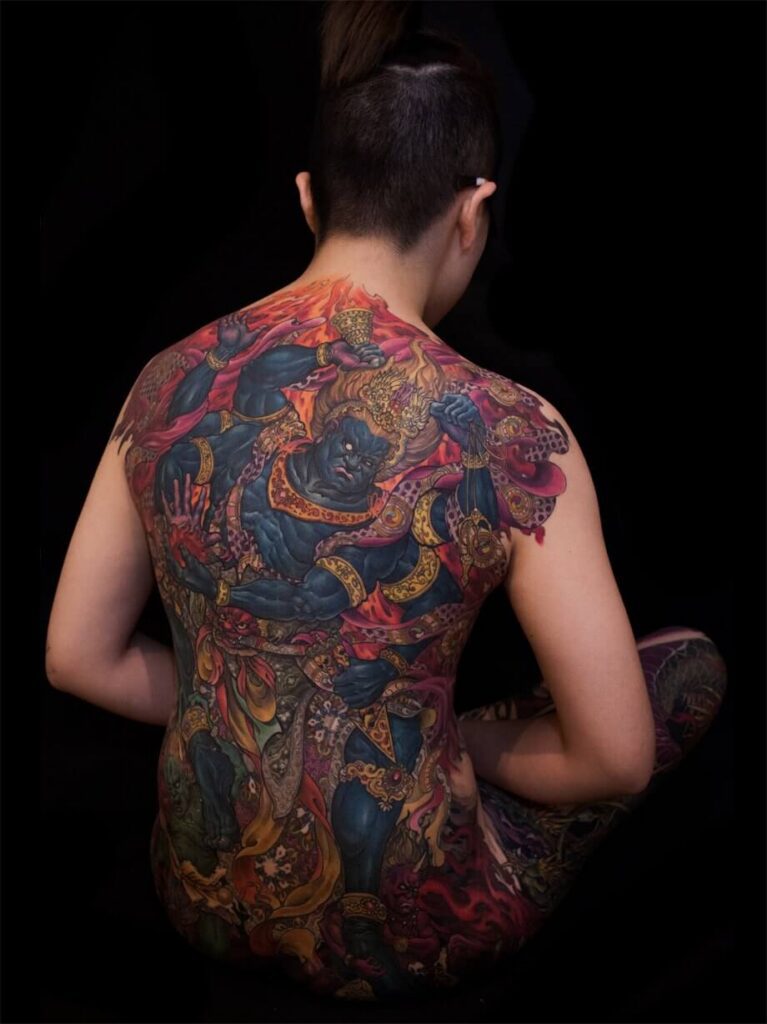
Back (Full / Upper Back) Large scenes like dragons, samurai battles, phoenixes Best for detailed storytelling and large-scale art
Chest Connecting pieces, protective imagery, symmetry designs Often linked to sleeves or back pieces
Leg (Thigh to Ankle) Tigers, koi fish, snakes, wind/wave compositions Great for full leg sleeves and vertical flow
Rib / Side Supporting elements or extended scenes More painful area but allows strong vertical flow
Stomach / Abdomen Transitional or connecting elements Usually paired with chest or back work
Shoulder / Upper Body Masks, focal subjects, starting points for sleeves Common starting area for larger projects

Japanese tattoo design is always planned with flow, balance, and anatomy in mind, ensuring the artwork feels unified across whichever areas of the body are used.

What Japenese styles can we do?

At Raleigh Tattoo, we specialize in custom Japanese tattoos that combine powerful symbolism with striking visual impact. Popular designs include Japanese dragon tattoos representing wisdom and strength, koi fish tattoos symbolizing perseverance and determination, and samurai tattoos that embody honor, courage, and discipline. Clients also frequently request Hannya mask tattoos, Oni mask tattoos, geisha tattoos, Japanese tiger tattoos, and phoenix tattoos, each carrying unique cultural meaning and artistic significance. To complete larger compositions, our artists incorporate traditional Japanese elements such as cherry blossoms, peonies, lotus flowers, waves, clouds, and wind bars that create the flowing aesthetic associated with classic irezumi. Whether you're interested in a Japanese sleeve tattoo, full back piece, chest panel, or leg sleeve, Raleigh Tattoo designs custom artwork that respects the traditions of Japanese tattooing while creating a bold and personalized statement. This attention to detail helps ensure every Japanese tattoo remains visually balanced, meaningful, and timeless.

We do the Following Japanese Styles in Raleigh

Japanese Dragon Tattoos
Koi Fish Tattoos
Samurai Tattoos
Hannya Mask Tattoos
Geisha Tattoos
Japanese Tiger Tattoos
Phoenix Tattoos
Oni Mask Tattoos
Japanese Snake Tattoos
Foo Dog (Komainu) Tattoos
Cherry Blossom Tattoos
Peony Tattoos
Lotus Flower Tattoos
Japanese Wave Tattoos
Japanese Cloud Tattoos
Japanese Sleeve Tattoos
Japanese Back Piece Tattoos
Traditional Irezumi Tattoos
Japanese Chest Panel Tattoos
Japanese Leg Sleeve Tattoos

How much does a Japanese tattoo cost in Raleigh?

The cost of a Japanese tattoo in Raleigh can vary significantly depending on the size, complexity, artist experience, and overall scope of the project. Small Japanese tattoos featuring a single element such as a cherry blossom, lotus flower, wave, or simple Hannya mask typically range from $200 to $800. Medium-sized pieces like koi fish, Oni masks, snakes, or tiger tattoos often fall between $800 and $2,500, depending on the amount of detail, shading, and color involved. Larger projects, including half sleeves and full Japanese sleeves, generally range from $2,500 to $8,000+, while extensive work such as chest panels, back pieces, body suits, and full irezumi compositions can exceed $10,000 to $20,000+ when completed by experienced artists over multiple sessions.

Several factors influence the final price of a Japanese tattoo. Traditional Japanese designs are known for their large scale, intricate backgrounds, and cohesive storytelling. Elements such as dragons, samurai warriors, geishas, phoenixes, koi fish, tigers, and Hannya masks are often combined with secondary features like peonies, chrysanthemums, cherry blossoms, maple leaves, clouds, wind bars, and Japanese waves to create a balanced composition that flows naturally with the body. Because of this complexity, many Japanese tattoos require extensive planning and dozens of hours of tattooing.

Color can also affect pricing. Full-color Japanese tattoos featuring vibrant reds, blues, oranges, and gold tones generally require more time than black and grey designs. Placement is another consideration, as difficult areas such as ribs, knees, elbows, necks, and hands often take longer to tattoo than flatter surfaces. The artist's reputation, experience with Japanese tattooing, and demand for their work can also impact hourly or day-session rates.

At Raleigh Tattoo, every Japanese tattoo is custom designed to fit the client's body and vision. During a consultation, your artist can discuss the symbolism, layout, size, and placement of your tattoo while providing a more accurate estimate based on your specific goals. Whether you're planning a small koi fish tattoo or a full Japanese sleeve featuring dragons, waves, cherry blossoms, and traditional irezumi elements, investing in quality artwork ensures a tattoo that will remain bold, meaningful, and visually impressive for decades.

Japanese Tattoo Pricing & Planning Guide (Raleigh, NC)

Project Type Best For Design Complexity Timeframe What Affects Price Most Realistic Price Range
Small Japanese Tattoo First tattoos, single symbols Low–Medium Same day Size, color vs black & grey, detail level $200 – $800
Medium Tattoo (Focal Piece) One main subject (koi, tiger, mask) Medium 1–3 sessions Shading detail, realism level, placement difficulty $800 – $2,500
Half Sleeve Partial arm composition Medium–High 2–5 sessions Background density (waves/clouds), composition planning $1,500 – $3,500
Full Sleeve (Irezumi Style) Full arm storytelling piece High 4–10+ sessions Custom design work, layering, color saturation $2,500 – $8,000+
Back Piece Large statement artwork Very High 6–15+ sessions Detail density, scale, multiple focal subjects $3,500 – $10,000+
Full Body Suit Traditional Japanese bodysuit Extremely High Months–Years Total coverage, customization, long-term planning $10,000 – $20,000+

How long does a Japanese tattoo take?

The amount of time required to complete a Japanese tattoo depends on far more than just its physical size. Traditional Japanese tattooing is built around composition, flow, and storytelling, meaning the artist must consider how each element interacts with the body's natural contours. A small standalone koi fish, Hannya mask, or peony tattoo may be completed in a single 2-to-6-hour session, while larger projects such as sleeves, chest panels, leg sleeves, back pieces, or bodysuits are typically completed over multiple appointments. A half sleeve often requires 10 to 20 hours, a full sleeve may take 20 to 60 hours, and a large-scale back piece can range from 30 to 100+ hours depending on the complexity of the artwork. Full traditional irezumi body suits can take well over 100 hours and are often completed over the course of several years.

One reason Japanese tattoos require more time than many other styles is that they are designed as complete compositions rather than isolated images. A dragon, samurai, tiger, phoenix, geisha, or koi fish is rarely tattooed alone. These primary subjects are traditionally surrounded by supporting elements such as waves, clouds, wind bars, cherry blossoms, maple leaves, chrysanthemums, peonies, and water patterns that help create movement and visual balance throughout the piece. In addition to the tattooing itself, significant time is devoted to designing the layout, refining the composition, and ensuring the artwork flows naturally across the body. Healing time between sessions is also an important consideration, as most artists recommend allowing the skin to recover fully before continuing with additional work. While Japanese tattoos often require a substantial time commitment, the result is a cohesive piece of art that tells a story, ages beautifully, and remains visually powerful for decades.

What Makes Japanese Tattoos Different From Other Tattoo Styles?

apanese tattoos stand out because they are designed as full, flowing compositions rather than isolated images. Instead of placing a single subject on the skin, traditional Japanese tattooing (irezumi) builds an entire scene that wraps naturally around the body, using placement to enhance movement and storytelling. A dragon might coil across a sleeve, a koi fish may swim through waves across a chest or back piece, and samurai or Hannya mask designs are often integrated into larger landscapes that give the tattoo depth and structure. This approach makes the body itself part of the artwork, rather than just a canvas for separate designs.

Another key difference is the heavy use of symbolic layering and background elements that unify the composition. Elements like wind bars, water, clouds, cherry blossoms, peonies, chrysanthemums, and maple leaves are not just decorative—they guide flow, create contrast, and reinforce meaning throughout the piece. Japanese tattoos also tend to carry strong cultural symbolism, with each subject representing specific traits such as strength, protection, perseverance, or transformation. Because of this combination of storytelling, structure, and detail, Japanese tattoos often require more planning and time than many other styles, but result in highly cohesive, timeless artwork that ages exceptionally well.